·
3 min read
Why AMD? Two weeks later.
Two weeks have passed since AMD Advancing AI. Back then I posted live from the venue . Too many impressions for one …
Read More →Have questions? We're here to help.
Field notes from DynamicsMinds 2026: a keynote that puts us all in Starfleet — and why AI doesn't kill the SaaS partner, it shifts the value from selling licenses to delivering results. From Software as a Service to Outcome as a Service.

Notes from DynamicsMinds 2026.
A word on the setting: DynamicsMinds is a community-driven conference for the Microsoft Dynamics 365 & Power Platform world — May 25–27 in Portorož on the Slovenian coast. What makes it special is the crowd: not just technical people, but a lot of actual users, all in one beautiful Mediterranean location . And it knows how to celebrate — one evening spills into a party right on the hotel’s beach, well into the night. That mix is exactly what makes it worth the trip.
The conference opened with a keynote that already sees us all in Starfleet: we work on optimizing ourselves, while AI has taken over our daily work.
And the picture carries further than it first seems. Starfleet’s mission was never efficiency for its own sake — it was to explore new frontiers, to seek out strange new worlds and new forms of life. The talk, fittingly, was less about automation than about creativity: when AI takes over the routine, people are freed for exactly what no machine charts ahead of time — exploring, creating, building what’s new.
Behind that picture sits a growing fear: with AI moving in, established SaaS models might soon no longer be needed.
On the last day, in the last session , there was an exchange that for me was the most valuable of the whole conference. Microsoft partners in particular are shaped by license models — influenced by them, sometimes dependent on them.
And that dependency has a reason. A huge share of the Microsoft ecosystem lives off delivering the solutions and integrations that make Microsoft products actually work. Because at Microsoft, development always follows marketing: the message ships first, and a lot of things don’t work as intended — until a partner wires them together. That glue is real, valuable work. But it’s bound to the license models: the partner earns on the integration and on the licenses underneath it.
So the discussion in the room was sharper than I expected. Many partners stopped earning their money with licenses alone a long time ago — they earn it by knowing what the customer actually needs and guiding them through the jungle of solutions. But if Microsoft’s own business model shifts away from licenses, the partner model will have to shift with it.
Here’s what I believe: AI will change the speed at which we deliver projects. It may even raise their quality significantly. But customers still need to be taken by the hand. It takes people who understand their problems and translate them into solutions. That, as of today, can’t be automated away.
And honestly, I’m not sure AI will master the hardest part: turning a customer’s half-articulated problem into something that actually works. That translation rests on a deep well of know-how on the partner side — industry quirks, hard-won workarounds, the tacit sense of what “done” really means. Much of it never reaches documentation, let alone a model. AI can accelerate the build; whether it can own the judgment is still an open question.
That, to me, is the real shift: away from Software as a Service, toward Outcome as a Service. The license was never the product. The outcome is.
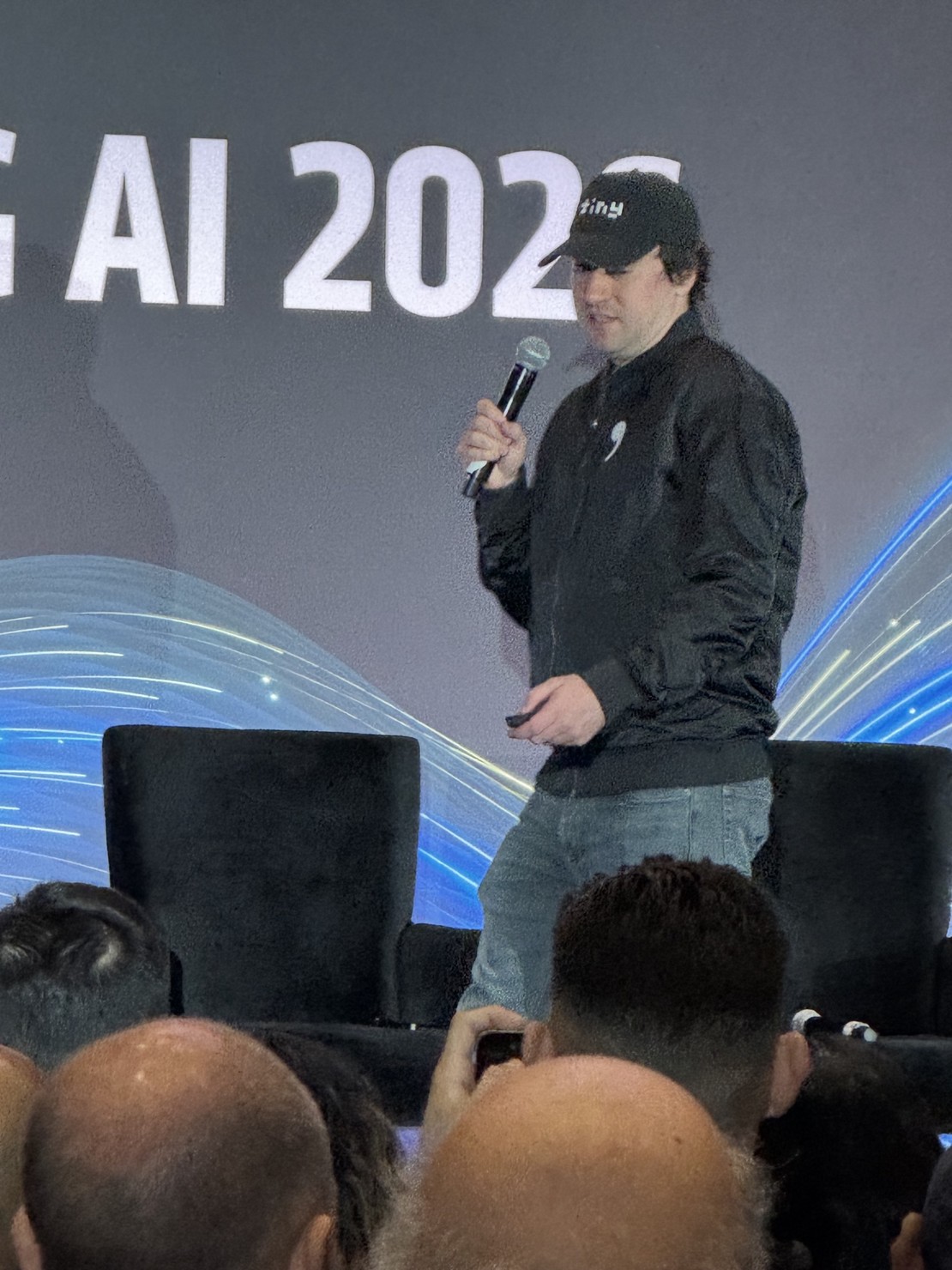
Two weeks have passed since AMD Advancing AI. Back then I posted live from the venue . Too many impressions for one …
Read More →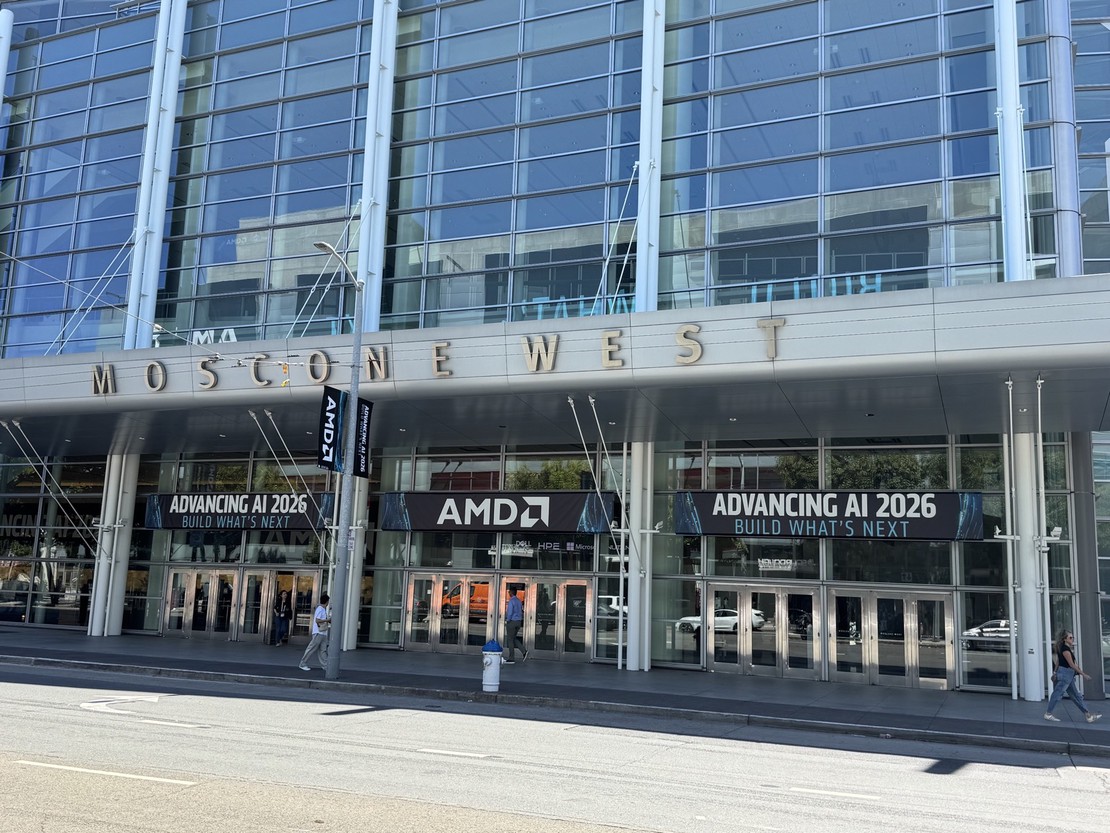
Why AMD and not NVIDIA? I get this question a lot. Today I’m at AMD Advancing AI 2026 in San Francisco, good …
Read More →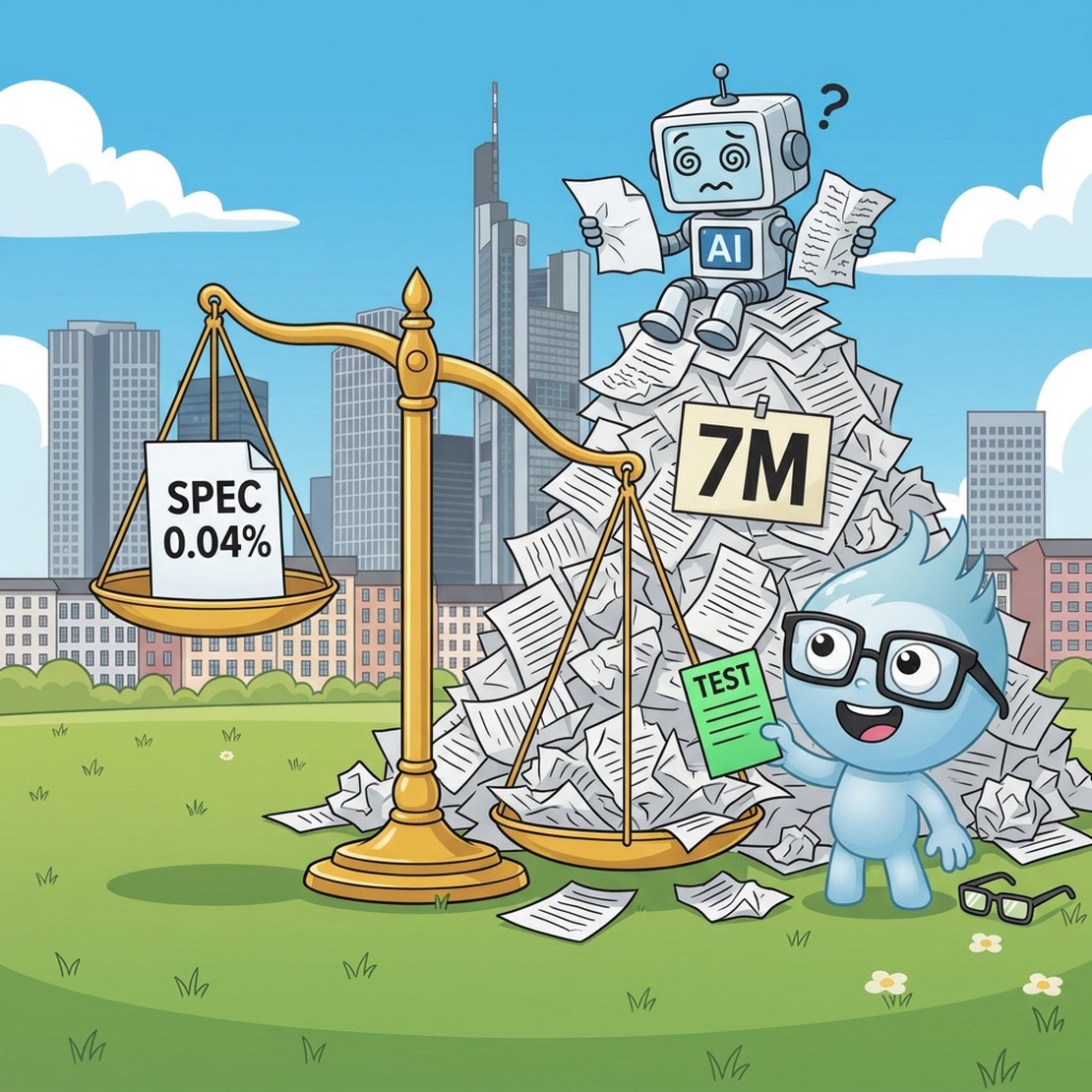
Thursday afternoon, a review of our spec pipeline. The question on the table: use cases, acceptance criteria and …
Read More →