·
2 min read
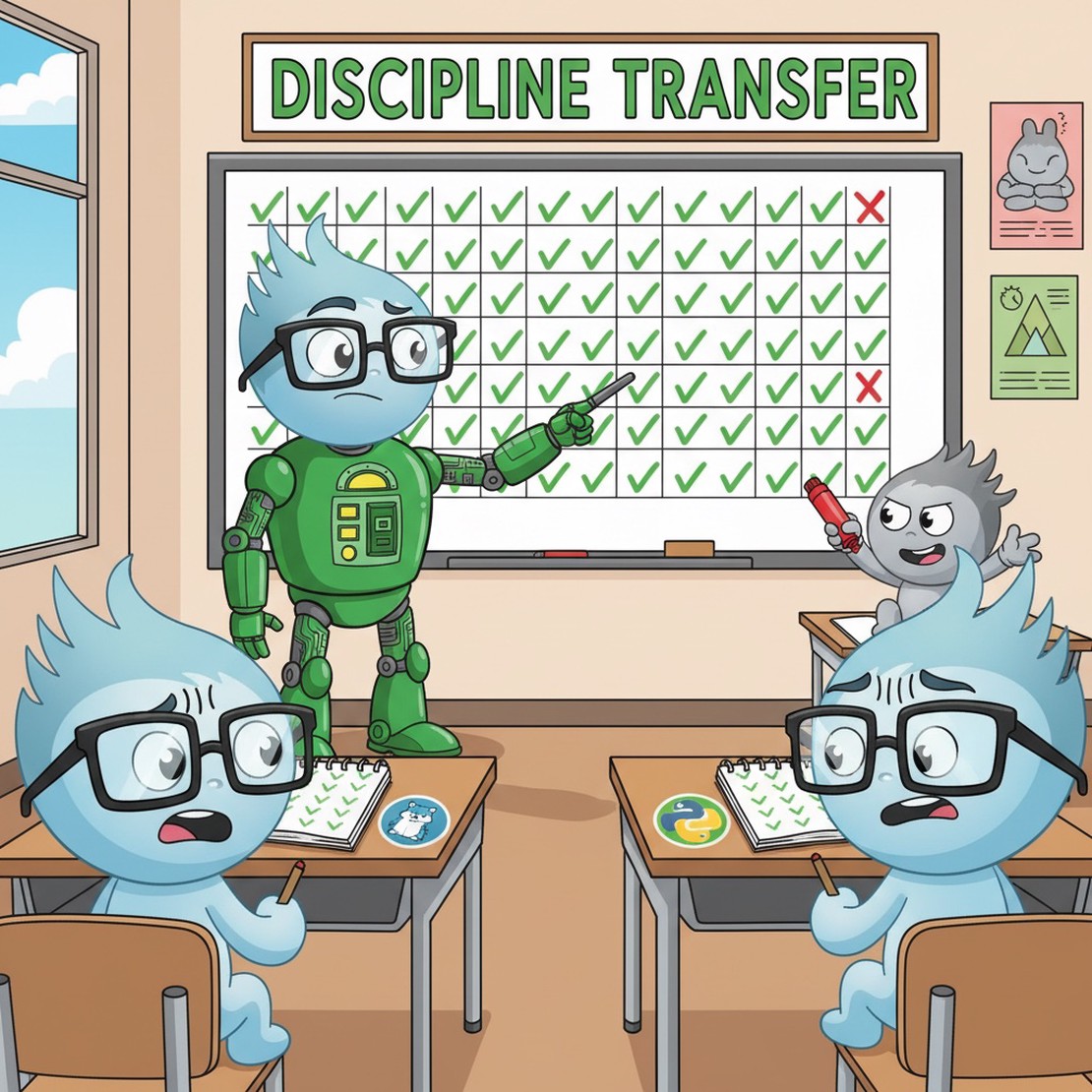
What Rust taught my Go
Reviewing a Rust codebase, I was reminded what makes that language special: the compiler refuses. A forgotten error …
Read More →Have questions? We're here to help.
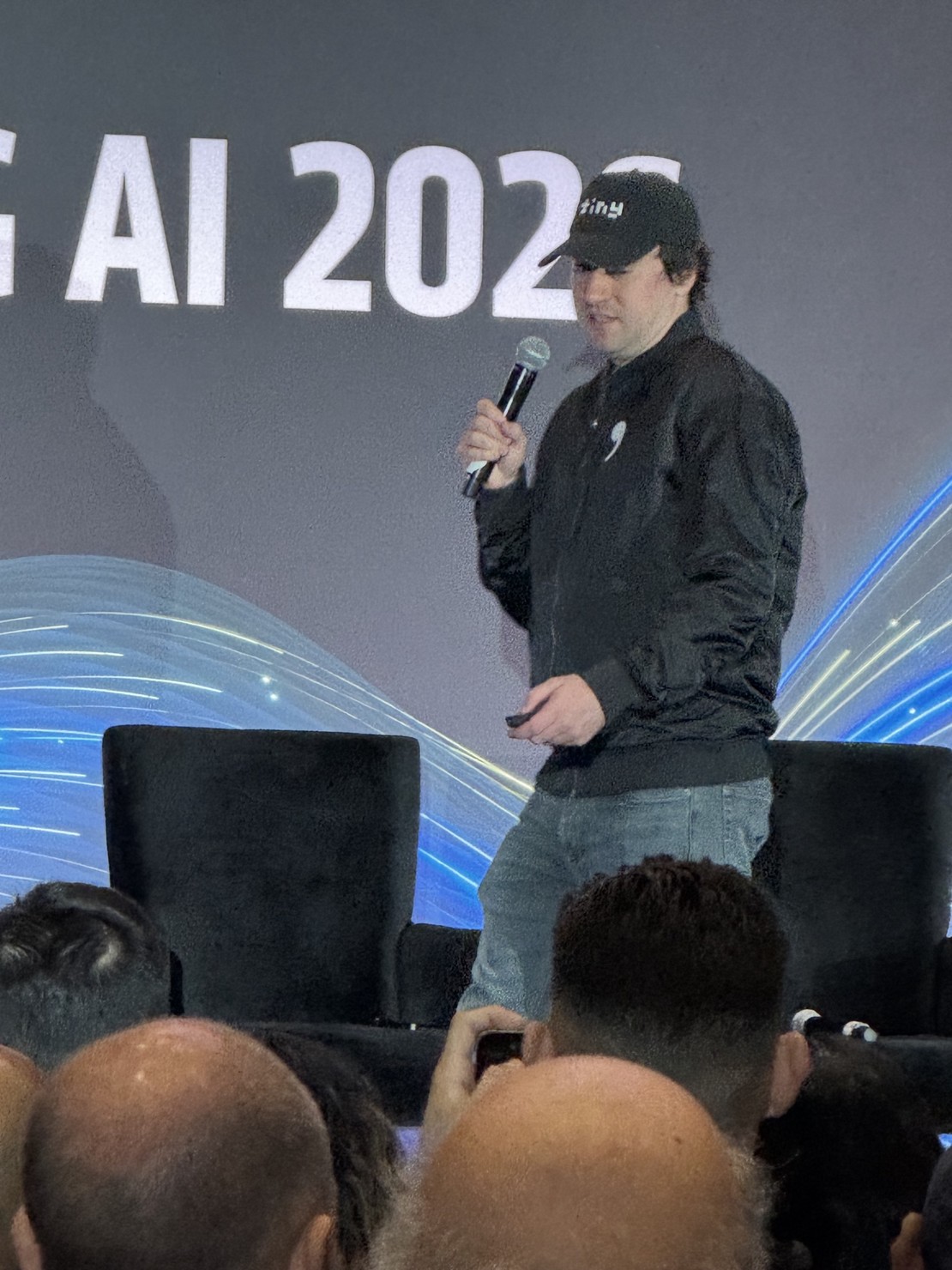
Two weeks have passed since AMD Advancing AI. Back then I posted live from the venue . Too many impressions for one evening. With fourteen days of distance, the sorting is easy. Whatever is still in my head has earned its place. It’s four things.
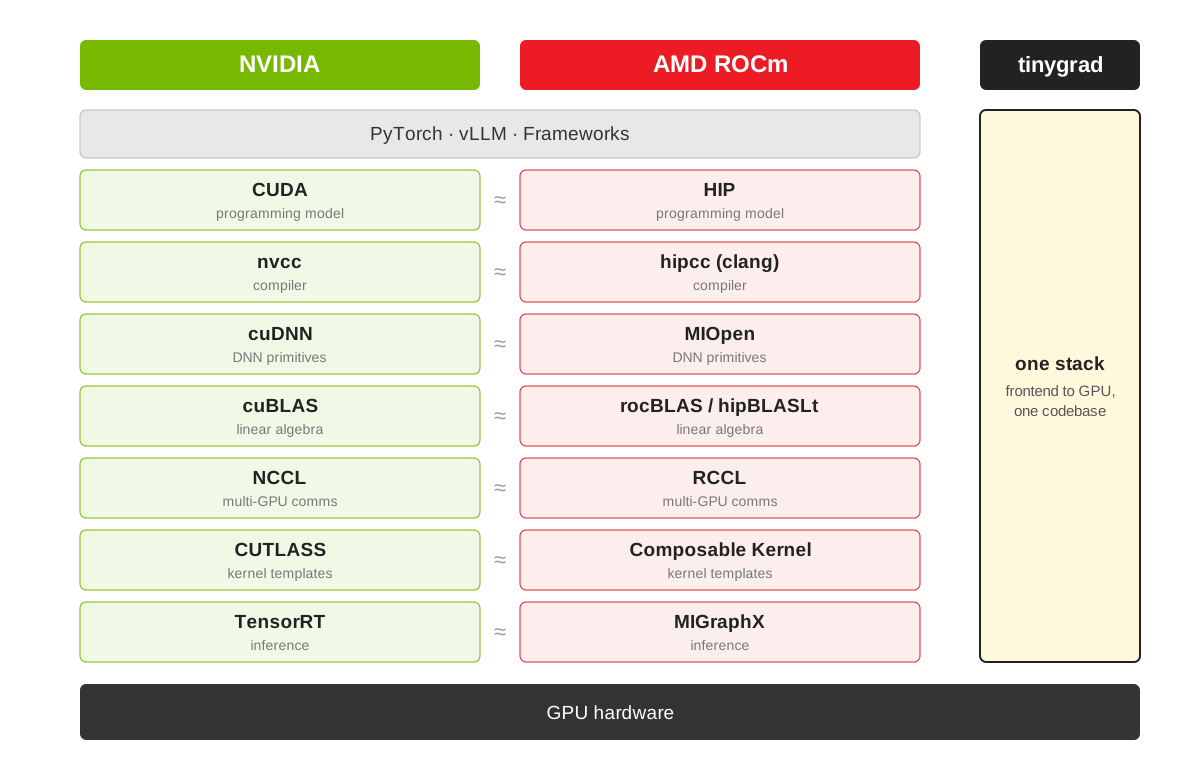
First, feedback on stage. George Hotz (comma.ai, tinygrad, tinybox) gave a lightning talk with a clear message, on AMD’s own stage: your software stack is too complicated, because you copy NVIDIA’s complexity instead of leaving it out. His tinygrad shows how much less is enough. He said this as a partner building his own independent stack on AMD hardware . And AMD? Invited him, listened, applauded. Hotz also showed market numbers: roughly 6 percent AMD, 2 percent Intel, the rest NVIDIA. Public estimates land in the same range: roughly 81 percent NVIDIA per IDC , 5 to 7 percent AMD , Intel around 1 percent . And he still believes AMD can beat NVIDIA. At 6 percent market share, that’s not flattery. That’s a bet. For a deeper cut: SemiAnalysis dissected the same question right at the conference .
Platforms are bets on culture. A vendor that puts its loudest critic on stage optimizes for truth over comfort.
Second, the memory class is growing. My bet was about 128 GB of unified memory in a machine you can just buy. The next step is announced: Ryzen AI Max+ 495, 192 GB of unified memory, up to 160 GB of it usable as VRAM . The rumors about the third generation point to LPDDR6 with roughly 80 percent more bandwidth . Honest minus: current pricing. A mid-cycle refresh with a premium markup. The market will sort that out. More vendors, better prices.
Third, hardware you can touch. An exhibition floor full of machines you can buy. No renders of things arriving in 2028. It felt like CeBIT, done right. Plus partners I didn’t have on my radar. Cerebras, for one: wafer-scale chips, an entire wafer as a single processor, built for the fastest inference. Freshly allied with AMD at the conference : Helios racks process the prompts, the wafer generates the tokens. Their price list is not my reality. Doesn’t matter. The palette is the point.
Fourth, AMD uses AI like an SME. The talk “Inside AMD IT”: start with the processes you already have. Bookkeeping, reconciliation, operations. Frontier models for the hard initial work, then the switch to cost-effective local open-source models, routing on top. And it doesn’t stop at back-office work: with ROCm.AI, AMD now lets AI agents write its own GPU kernels , a verified 21.8 percent more throughput. The bet behind it: agents close exactly the software gap Hotz criticizes. Beyond that, it’s exactly the pattern I recommend to SMEs, just at an enterprise. That deserves its own post. It’s coming.
My bet from July stands. Not because of the 192 GB. Because of the applause for the critic.
Reviewing a Rust codebase, I was reminded what makes that language special: the compiler refuses. A forgotten error …
Read More →
Last week, Johann-Peter Hartmann reported on AI Dark Factory Patterns — a post I warmly recommend, including brutally …
Read More →
At the Agentic Conf 2026 in Hamburg, I attended Paul Stack ’s talk “Operations follows Development” …
Read More →